 80s
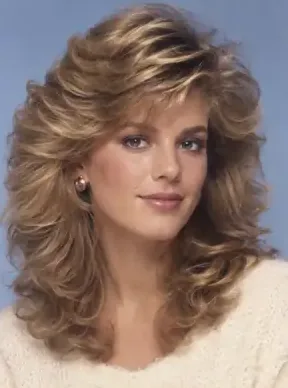
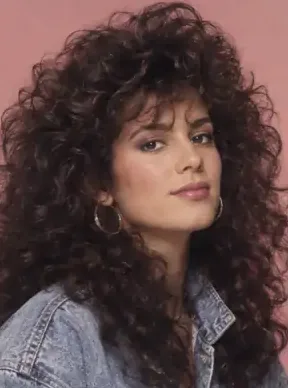
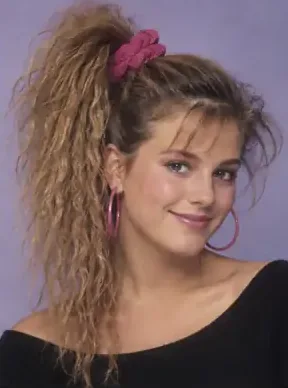
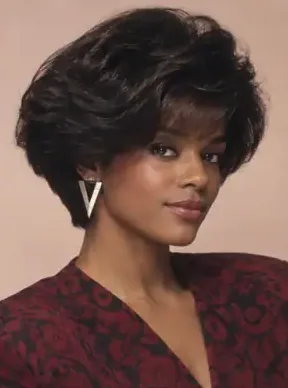
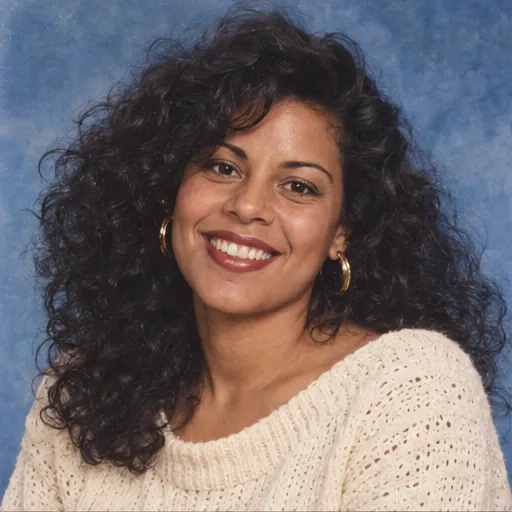
What makes a hairstyle look 80s
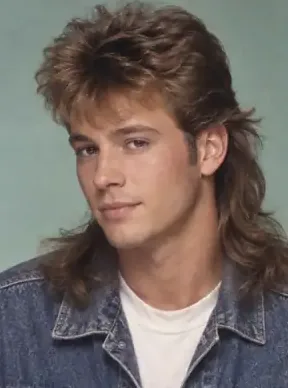
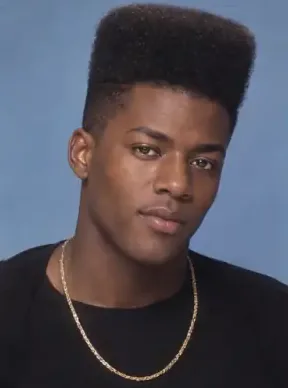
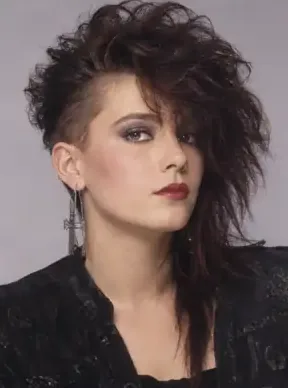
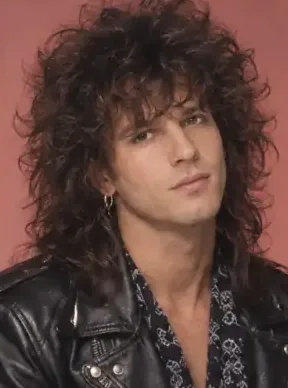
Volume, texture and shape. Perms and crimping added texture, teasing and blow-drying added height, and cuts such as feathered layers, the shag and the mullet were built to move. Accessories like scrunchies, headbands and big earrings finished the look. The mullet, feathered layers and the shag appear in both men’s and women’s lists of 80s styles.
Preview a style before you commit
A picture is a cheap way to test a big change. Upload a clear, front-facing photo, choose a style above and generate. Compare the result with your original, since the AI can shift details of your face. If you decide to try the cut for real, bring reference photos to a stylist: a preview is not advice on your hair type.
Match the clothes and the scene
Pair the cut with an outfit from 80s outfits, or choose a setting from the 80s aesthetic guide. To put the hair into a finished portrait, try the yearbook portrait or copy a ready-made prompt from the free prompt library.
Frequently asked questions
What hairstyle was popular in the 80s?
Big, textured styles: feathered layers, permed and brushed-out curls, the mullet, crimped ponytails and teased shags, plus the high-top fade and flat top for men. The eight cards above cover the best known.
How to wear hair for an 80s party?
Pick one shape: a teased crown, a high side ponytail with a scrunchie, or a headband with loose curls. Add volume at the roots, keep the ends soft and finish with hairspray. A bold accessory matters more than a perfect cut.
Why was 80s hair so frizzy?
Texture was the goal. Perms, crimping, teasing and heavy hairspray produced deliberate volume and frizz, and brushed-out curls were meant to look full rather than smooth.
How to do an 80's hairstyle?
One common approach: apply mousse to damp hair, blow-dry with a round brush or upside down for lift, curl or crimp sections, tease at the crown and set with hairspray. For a real cut, show a stylist reference photos, or preview the style on your own photo first.